Think Like a Product Manager, Not a Web Designer: Building Sites That Learn and Improve
By Derek Velzy
View on Medium

When I Stopped Designing and Started Thinking in Products
When I first started out in software development, I obsessed over the details like load times, layout grids, pixel alignment. The UI was everything to me.
I was drawn to beautiful websites, the kind that made you stop and admire the craft. Apple’s product pages were my north star. I’d spend hours scrolling through Awwwards, studying the animation timings and subtle transitions, hoping to one day design something that felt that effortless.
But over the last year or so, something clicked. I realized that a beautiful website is only as good as it communicates and influences behavior. The sites I admired so much reflected my bias as a developer: I appreciated them because I understood the craftsmanship. The average visitor, though? They might spend ten seconds, get confused, and close the tab.
That realization hit hard. So I started diving deeper into analytics, watching how people actually used the websites I built. That’s when I discovered something powerful: great design isn’t just about looking good — it’s about learning. It’s about using design and data together to guide, test, and evolve. That’s when I stopped thinking like a web designer and started thinking like a product manager.
Most Websites are Built Like Projects, Not Products

A lot of websites — especially for small or local businesses — launch and then quietly drift into autopilot. They’re built once, pushed live, and left untouched for years until someone decides it’s time for a refresh. It’s the classic build-launch-forget cycle. For many developers and agencies, that’s the end of the job. The site’s live, the boxes are checked, the invoice is sent.
But that mindset misses the point. It’s like buying a new car, driving it off the lot, and then never changing the oil. Sure, it’ll run fine for a while — maybe even a few years — but eventually things start to break down, and you’re left wondering why performance dropped off.
The same goes for websites. On the surface, everything might seem fine. The homepage loads, the links work, the design looks sharp. But how do we know it’s actually performing?
What if that floating button in the corner never gets clicked because it blends into the background? What if a form breaks silently on the latest Android device? Or what if people are dropping off your site halfway through the booking flow and you’d never know because no one’s looking at the data?
Without measurement, iteration, or feedback, we’re just guessing. We’re like sailors out at sea without a compass — drifting, hoping we’re heading in the right direction.
Your Website is an Experiment

We need to start treating our web experience like an experiment.
That’s really the foundation of product thinking, or at least how I’ve come to think of it. It is basically the scientific method in a digital context. Don’t worry, there is no lab coat required. You will not have a lab report to turn in.
It’s the same process we all learned in school:
You start with an observation, ask a question, do your research, form a hypothesis, test it, analyze the results, and draw a conclusion.
Then, if you’re serious about learning, you do it again.
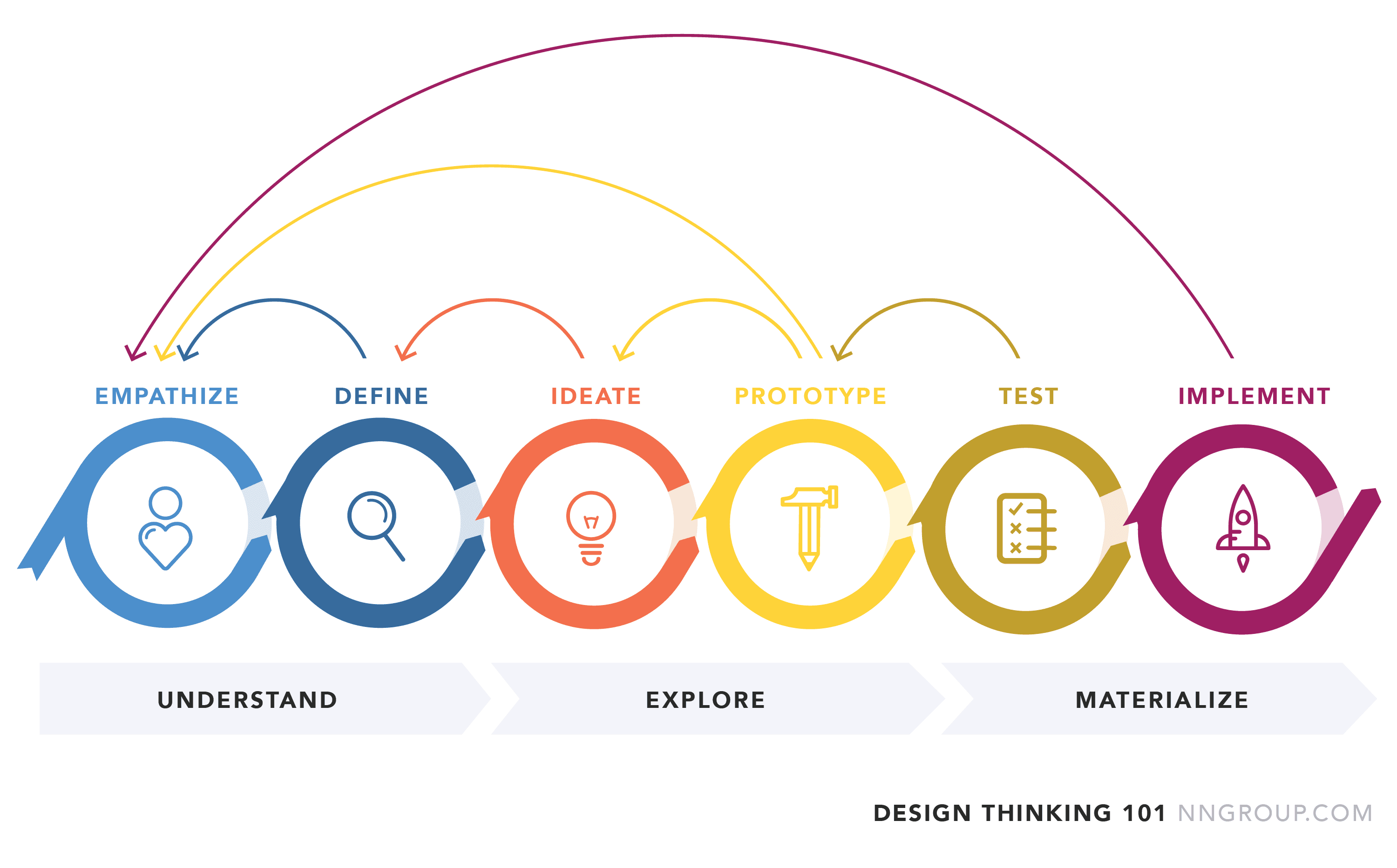
Now, let’s contrast that with Design Thinking, which has shaped a lot of how we approach web design today. It’s an interactive (that is to say, we keep repeating the cycle) human-centered framework that focuses on understanding user needs, challenging assumptions, and testing ideas to reach better outcomes.
The steps look something like this:
Understand, Observe, Define point of view, Ideate, Prototype, Test, and Reflect.
Sound familiar? That’s because Product and Design Thinking share the same DNA. They are iterative and curious. One leans more analytical while the other leans more empathetic, but both are about learning your way forward.
Without that iterative mindset, we might still think the earth was flat. And without it on a website, we’ll never know how much potential we’re leaving on the table in terms of views, leads, conversions, or customer experience.
Build Sites That Learn and Improve
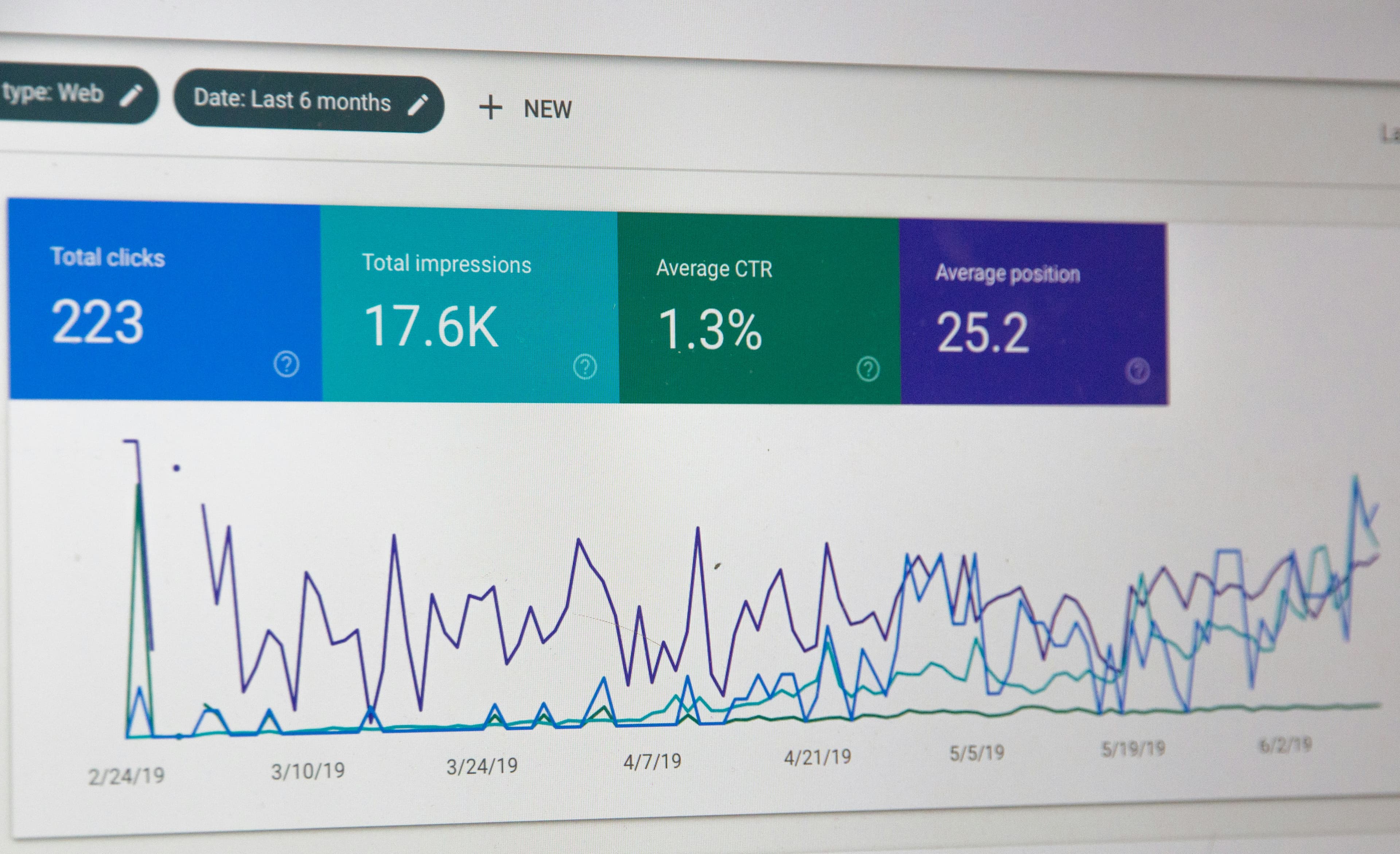
Below is a simple framework that puts this experimental mindset into practice.
It’s not a full-blown process like a product roadmap or sprint cycle — it’s just a clear, repeatable way to keep your website learning and improving over time.
The Product-Minded Website Process:
(1) Discover
Start by clarifying your goals, audience, and KPIs (key performance indicators). Without clear goals, you have no way to measure progress — and without knowing your audience, you’re just designing for yourself.
Think of this phase as setting your compass:
Who are we trying to reach? What do we want them to do? How will we know if it’s working?
These answers guide every design and content decision moving forward.
(2) Build
Next, build a lightweight, performant MVP (minimum viable product). The goal isn’t perfection, it’s traction.
If you load up your site with every feature idea right away, you’ll waste time and resources on things users might never touch. Build the essentials first, get it live, and gather feedback.
(3) Measure
Now it’s time to listen.
Use your analytics tools to see how people are actually interacting with the site. Just a few of the metrics we could observe would be:
Scroll depth, click-through rate on your main CTA, average session duration, bounce rate, page drop-offs or form abandonments.
Each metric is a clue. Together, they paint a picture about how your site communicates, converts, and performs in the real world.
(4) Improve
Finally, take what you’ve learned and make small, focused tweaks.
Refine your copy, simplify user flows, optimize performance, or try new headlines or layouts. A/B testing is a great tool here because you can compare two versions of a page or element and actually see which performs better. The control group gets the original page format, and the experimental group gets the new layout.
Then, go back to step one. Wash, rinse, repeat, and keep improving.
Why This Works
This process isn’t flashy, but it’s effective. It turns your website into a living system that adapts, rather than a static page that ages.
Thinking like a product manager means that every release (big or small) becomes a chance to learn something new about your users and your business.
For business owners, this means consistent improvement and a clearer understanding of what customers want.
For designers and developers, it’s a way to demonstrate value, build long-term client relationships, and show real results instead of just visuals.
Your Website Is Never Done, and That’s a Good Thing
Shifting your mindset from developer to product manager means embracing the product process (the scientific method) by iteration and learning. These are worthwhile changes if you want your websites to actually deliver value for the people they are built for.
I used to measure success by how polished a site looked. Now I measure by how well it performs and how much it improves over time. That’s the difference between building a website and a digital product.